
The evolution of casinos tracing the history from ancient gaming to modern marvels
The Origins of Gaming
The history of gaming stretches back thousands of years, with evidence suggesting that ancient civilizations engaged in various forms of gambling. Archaeological findings indicate that games of chance were prevalent in ancient China around 2300 BCE, where tiles were used for gambling. Similarly, the Romans and Greeks enjoyed dice games and betting on sporting events, highlighting that the allure of chance has always fascinated humanity. Nowadays, many players search for reliable crypto gambling sites to enjoy their favorite activities online.

In these early societies, gambling was often tied to religious rituals or community gatherings. For instance, the Chinese played a lottery-like game that funded public projects, while Roman soldiers wagered on the outcomes of their games to boost morale. This social aspect of gaming laid the groundwork for the formal structures of casinos we recognize today.
The Birth of Modern Casinos
The modern concept of a casino began to take shape in the 17th century. In Italy, the first official gambling house, Ridotto, opened its doors in Venice in 1638. This establishment was designed to provide a controlled environment for gambling, offering games such as card games and dice. The idea quickly spread across Europe, with France becoming a significant hub for gambling establishments.
By the 18th century, casinos evolved into luxurious venues that attracted the elite. With lavish interiors and a plethora of games, these early casinos set the stage for the glamorous establishments we see today. The integration of gambling into entertainment venues marked a pivotal shift in how society viewed and engaged with gaming.
The Rise of American Casinos
The gambling landscape in the United States underwent significant transformation in the 19th century, particularly with the Gold Rush era. As miners flocked to the West in search of fortune, gambling halls emerged in cities like San Francisco. This laid the foundation for the American casino culture, which continued to grow throughout the decades.
The mid-20th century saw a crucial turning point with the legalization of gambling in Las Vegas in 1931. This city quickly became synonymous with casinos, as lavish resorts and entertainment options flourished. Las Vegas not only popularized gaming but also transformed it into a multifaceted experience, blending entertainment, dining, and nightlife.
The Digital Revolution and Online Casinos
The advent of the internet in the late 20th century revolutionized the casino industry. With the launch of the first online casino in 1994, players could now enjoy their favorite games from the comfort of their homes. This shift democratized gambling, making it accessible to a global audience without the need for physical travel.
As technology advanced, so did the online casino experience. Today, players can engage in live dealer games, virtual reality experiences, and mobile gaming. The rise of cryptocurrencies has further transformed online gambling, allowing for faster transactions and greater anonymity. This evolution continues to shape the future of gaming, making it an ever-expanding industry.
Exploring the Modern Casino Landscape
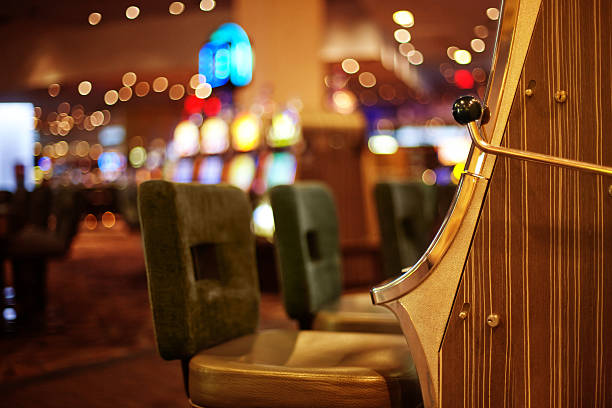
Today, casinos are not just places to gamble; they are vibrant entertainment hubs that offer a diverse range of activities. From high-stakes poker rooms to themed entertainment and gourmet dining, modern casinos cater to various preferences and demographics. This evolution reflects a broader understanding of the role that gaming plays in leisure and social interaction.
For those interested in the latest developments in the casino world, our website provides valuable resources. Whether you’re a newcomer to gaming or a seasoned player, we offer comprehensive reviews, highlighting features such as payment speed, game variety, and security standards. Our goal is to ensure a safe and enjoyable gaming experience for everyone.